Dr. Pooja Tripathi
When Should You Visit a Neurologist?
Your nervous system controls movement, sensation, memory, speech, balance, and many other essential functions. When something goes wrong, symptoms can sometimes be subtle—but they may also indicate an underlying neurological condition that requires timely evaluation.
A neurologist is a specialist who diagnoses and manages conditions affecting the brain, spinal cord, nerves, and muscles. Knowing when to consult one can help with early diagnosis and appropriate treatment.
Dr. Pooja Tripathi, Consultant – Neurology at Max Super Speciality Hospital, Lucknow, provides comprehensive neurological evaluation and treatment for a wide range of neurological conditions.
What Does a Neurologist Treat?
Neurologists manage numerous conditions affecting the nervous system, including:
Headache Disorders
Migraine and other headache disorders.
Stroke
Stroke and cerebrovascular disorders.
Epilepsy
Epilepsy and seizures.
Movement Disorders
Parkinson’s disease and movement disorders.
Memory Disorders
Dementia and memory-related disorders.
Neuroimmunology
Multiple sclerosis and neuroimmunological disorders.
Nerve Disorders
Neuropathy and nerve disorders.
Balance Disorders
Vertigo and balance disorders.
Neuromuscular Conditions
Muscle and neuromuscular conditions.
Sleep Problems
Sleep-related neurological problems.
When Should You Visit a Neurologist?
Not every headache, episode of dizziness, or instance of numbness requires a specialist consultation. However, certain symptoms—particularly when they are persistent, recurrent, worsening, or unexplained—should be evaluated by a neurologist.
1
Frequent or Severe Headaches
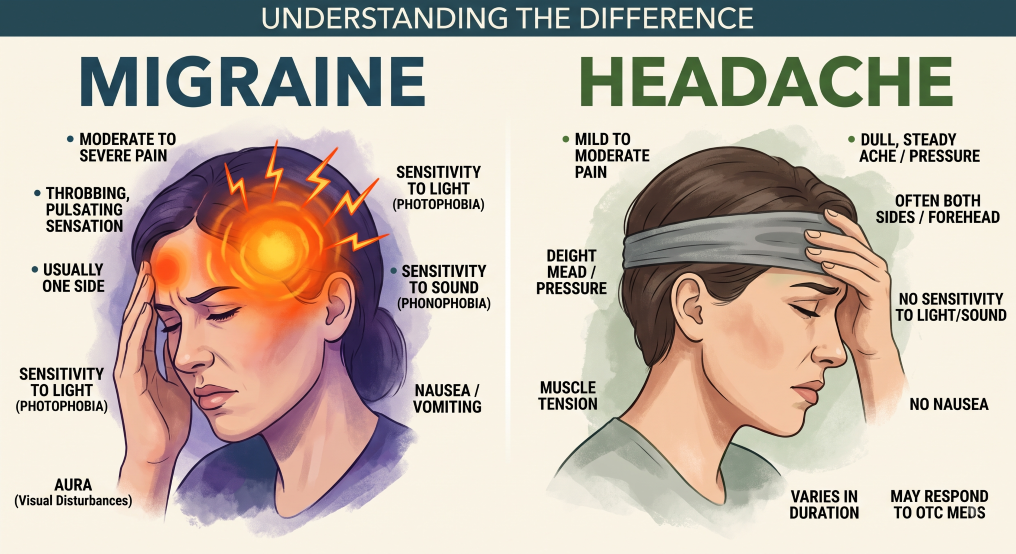
Occasional headaches are common. However, if headaches occur frequently, become increasingly severe, interfere with your daily activities, or are accompanied by nausea, vomiting, visual disturbances, or sensitivity to light and sound, neurological evaluation may be appropriate.
Recurring headaches may be associated with migraine, tension-type headaches, or other conditions that require specific management.
2
Sudden Weakness or Numbness
Sudden weakness or numbness, particularly on one side of the body, can be a warning sign of stroke.
If weakness or numbness develops suddenly in the face, arm, or leg, seek emergency medical care immediately rather than waiting for a routine neurologist appointment.
3
Problems With Speech or Understanding
Sudden difficulty speaking, finding words, understanding speech, or communicating normally may indicate a neurological emergency such as stroke.
Immediate assessment is particularly important when speech problems occur alongside facial drooping, weakness, confusion, or vision changes.
4
Seizures or Unexplained Episodes of Loss of Awareness
A first-time seizure, unexplained loss of consciousness, unusual repetitive movements, or episodes of staring and unresponsiveness should be medically evaluated.
A neurologist can assess the symptoms and determine whether further investigations, such as an EEG or brain imaging, are appropriate.
5
Persistent Dizziness or Balance Problems
Occasional dizziness may have many causes. However, persistent or recurrent dizziness, unexplained falls, difficulty walking, or problems with coordination can sometimes be associated with neurological disorders.
A neurologist can help determine whether the symptoms originate from the nervous system or require evaluation by another specialist.
6
Memory Loss or Cognitive Changes
Everyone occasionally forgets things. However, progressive memory loss, difficulty performing familiar tasks, confusion, personality changes, or problems with concentration may require neurological assessment.
Early evaluation can help identify potentially treatable causes and guide appropriate management.
7
Tremors or Uncontrolled Movements
Persistent tremors, stiffness, slowed movements, muscle jerking, or other involuntary movements should be assessed when they interfere with everyday activities.
These symptoms can occur with several neurological conditions, including movement disorders.
8
Tingling, Burning, or Nerve Pain
Persistent tingling, numbness, burning sensations, or weakness in the hands or feet may indicate a nerve-related problem such as peripheral neuropathy.
Identifying the underlying cause is important because nerve symptoms can be associated with several medical conditions.
9
Changes in Vision or Coordination
Sudden or unexplained double vision, loss of vision, difficulty coordinating movements, or problems with walking can sometimes have neurological causes.
Sudden vision loss or neurological symptoms require urgent medical assessment.
When Is a Neurological Emergency?
Some symptoms require immediate emergency care, rather than waiting for a scheduled consultation. These include:
Sudden facial drooping
Sudden weakness or numbness
Sudden difficulty speaking
Sudden loss of vision
Sudden severe headache
New-onset seizure
Sudden confusion or loss of consciousness
Sudden severe difficulty walking or loss of balance
For suspected stroke, remember BE FAST—Balance, Eyes, Face, Arm,
Speech, and Time. Getting
emergency medical attention quickly can be critical.
What to Expect During a Neurologist Consultation
During your consultation, the neurologist may ask about your symptoms, their duration, frequency, triggers, medications, medical history, and family history.
A neurological examination may evaluate:
Muscle strength
Reflexes
Sensation
Coordination
Balance
Eye movements
Speech and cognitive function
Depending on the symptoms, additional investigations such as MRI, CT scan, EEG, nerve conduction studies, or blood tests may be recommended.
Consult Dr. Pooja Tripathi for Neurological Care
Dr. Pooja Tripathi, Consultant – Neurology at Max Super Speciality Hospital, Lucknow, provides evaluation and management for a broad range of neurological conditions, including migraine, headache disorders, stroke, seizures, movement disorders, and other neurological problems.
If you are experiencing persistent, recurrent, or unexplained neurological symptoms, seeking professional evaluation can help identify the underlying cause and determine an appropriate treatment approach.
Conclusion
Knowing when to visit a neurologist can make an important difference in managing neurological health. Persistent headaches, seizures, memory changes, tremors, numbness, balance problems, or unexplained weakness should not be ignored.
Most importantly, sudden neurological symptoms should always be treated as an emergency. Early medical evaluation can help identify serious conditions and ensure that appropriate treatment begins as soon as possible.
If you are experiencing ongoing neurological symptoms, consult Dr. Pooja Tripathi,
Consultant – Neurology,
Max Super Speciality Hospital, Lucknow, for expert neurological assessment and
personalized care.

Senior Consultant
Dr. Pooja Tripathi
Consultant – Neurology
Max Super Speciality Hospital, Lucknow
Book an Appointment
+91 8199030924