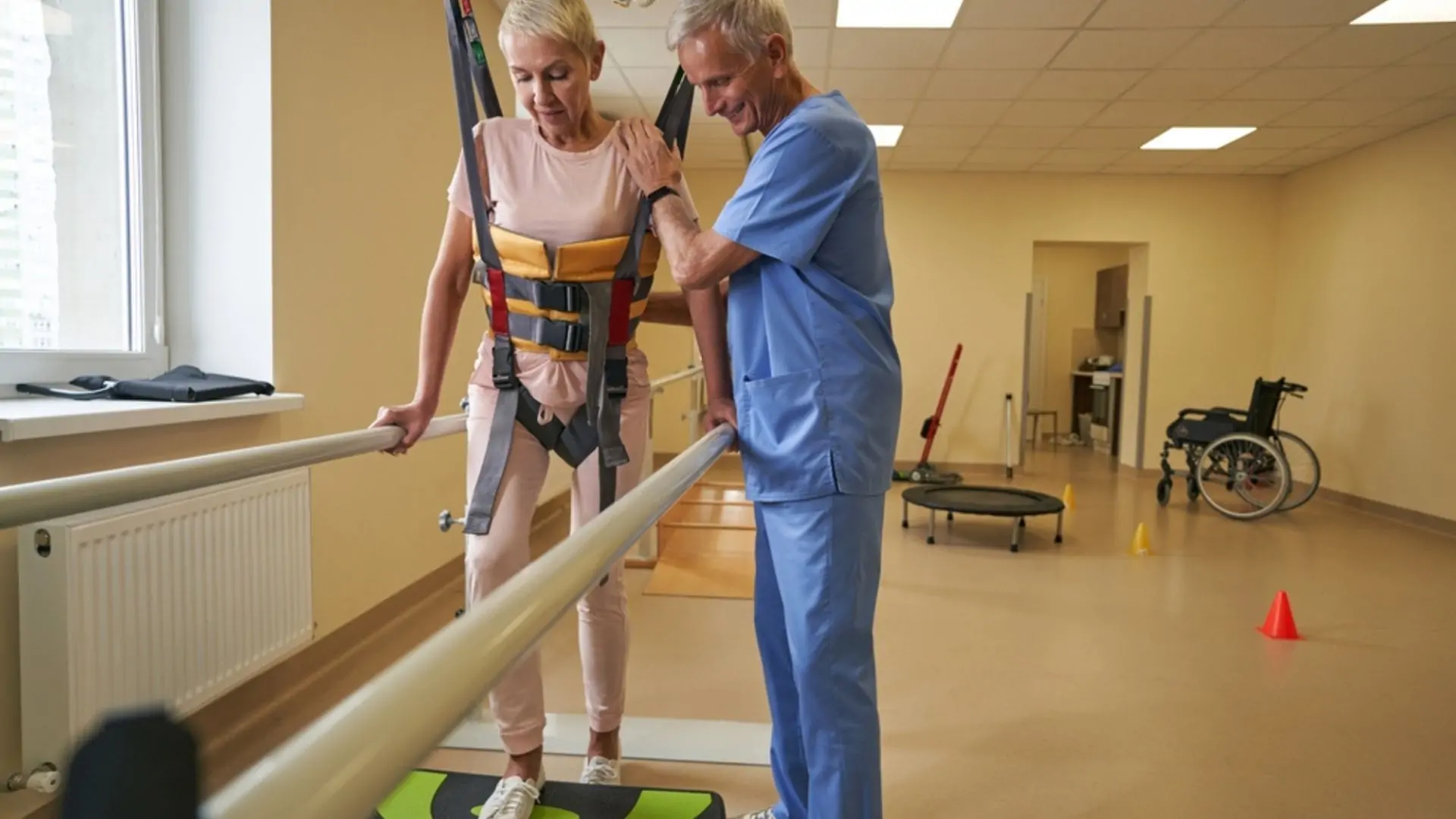
Stroke and Stroke Rehabilitation: Understanding Recovery and Treatment
A stroke is a medical emergency that occurs when blood flow to part of the brain is interrupted or when a blood vessel in the brain ruptures. Because brain cells require a continuous supply of oxygen and nutrients, a stroke can cause permanent neurological damage if treatment is delayed. Early recognition, timely medical care, and appropriate stroke rehabilitation are essential for improving recovery and quality of life.
Dr. Pooja Tripathi, a neurosurgeon, provides comprehensive neurological evaluation and guidance for patients affected by stroke. Her approach focuses on timely assessment, understanding the extent of neurological impairment, and supporting patients through appropriate treatment and rehabilitation.
What Is a Stroke?
There are two major types of stroke. An ischemic stroke occurs when a blood clot or other blockage prevents blood from reaching part of the brain. It is the most common type of stroke. A hemorrhagic stroke occurs when a blood vessel in the brain ruptures, causing bleeding within or around the brain. It requires urgent medical evaluation and management.
A Transient Ischemic Attack (TIA), sometimes called a mini-stroke, causes temporary stroke-like symptoms and should also be treated as a warning sign requiring medical evaluation.
Common Symptoms of Stroke
Recognizing stroke symptoms quickly can help reduce the risk of permanent brain damage. Warning signs may include:
If these symptoms appear suddenly, emergency medical care should be sought immediately. Stroke treatment is highly time-sensitive.
Stroke Diagnosis and Treatment
Stroke evaluation usually involves a detailed neurological examination and brain imaging, such as CT or MRI, to determine the type and location of the stroke. Additional tests may be performed to identify the underlying cause and assess risk factors.
Treatment depends on whether the stroke is ischemic or hemorrhagic, how long ago symptoms began, and the patient's overall condition. Depending on the situation, treatment may involve medicines, procedures to restore blood flow, management of brain swelling or bleeding, or surgery when required.
What Is Stroke Rehabilitation?
Stroke rehabilitation is an important part of recovery after the acute phase of treatment. A stroke can affect movement, speech, swallowing, memory, coordination, and the ability to perform everyday activities.
Rehabilitation aims to help patients regain as much independence and function as possible.
Physiotherapy
Helps improve strength, balance, mobility, and coordination.
Occupational Therapy
Helps patients relearn everyday activities and improve independence.
Speech and Language Therapy
Supports patients with speech, communication, and swallowing difficulties.
Cognitive Rehabilitation
Addresses problems involving memory, attention, reasoning, and other cognitive abilities.
Recovery After Stroke
Stroke recovery varies significantly from one patient to another. Recovery may depend on the type and severity of stroke, the area of the brain affected, the patient's general health, and how quickly treatment and rehabilitation begin.
Consistent rehabilitation, regular medical follow-up, medication adherence, and management of risk factors such as high blood pressure, diabetes, high cholesterol, smoking, and obesity can play an important role in reducing the risk of another stroke.
Why Choose Dr. Pooja Tripathi for Stroke Care?
Dr. Pooja Tripathi provides a patient-centered approach to stroke and neurological care, focusing on accurate diagnosis, appropriate treatment planning, and long-term recovery. She works toward helping patients and their families understand the condition and make informed decisions about treatment and rehabilitation.
If you or a loved one develops sudden symptoms suggestive of a stroke, seek emergency medical attention immediately. Early treatment can be critical in limiting brain injury and improving outcomes.
Concerned about stroke symptoms or recovery?
Book a consultation with Dr. Pooja Tripathi for expert neurological evaluation and guidance.