Nerve and Muscle Disorders: Symptoms, Causes, Diagnosis and Treatment
Nerve and muscle disorders are a broad group of neurological conditions that can affect sensation, muscle strength, movement, coordination, and everyday functioning. These conditions may involve the peripheral nerves, muscles, or the connection between nerves and muscles. Early evaluation can help identify the underlying cause and guide appropriate treatment.
Dr. Pooja Tripathi, a neurosurgeon, provides comprehensive neurological assessment and personalized care for patients experiencing nerve-related symptoms, muscle weakness, and other neuromuscular problems.
What Are Nerve and Muscle Disorders?
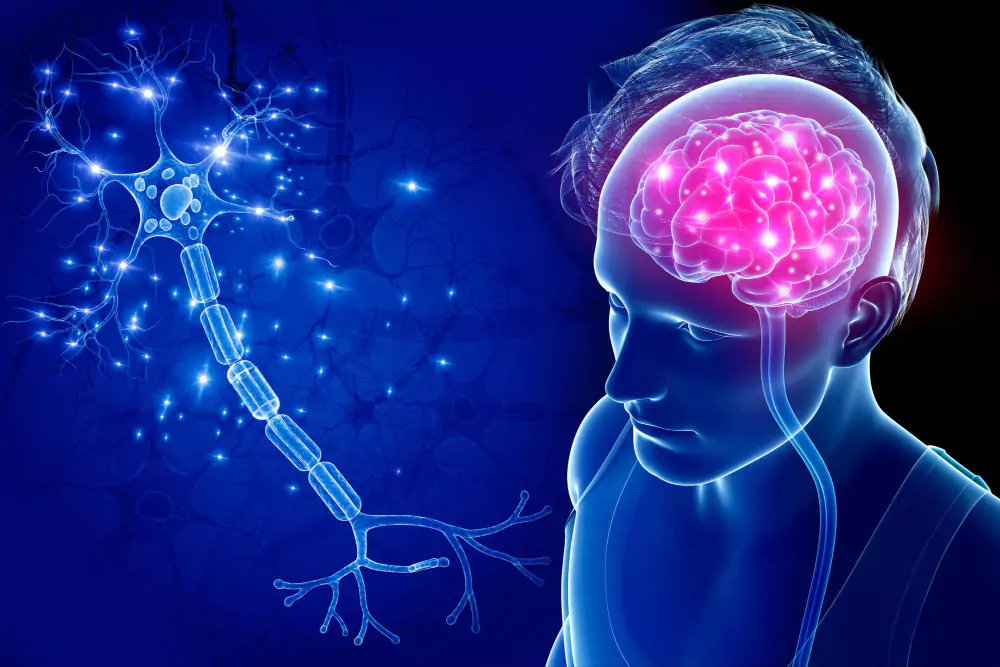
Nerve disorders can affect the nerves responsible for sensation, movement, or automatic body functions. Peripheral neuropathy, for example, may cause numbness, tingling, burning pain, weakness, or balance problems.
Muscle disorders can directly affect muscle strength and function, while some conditions affect the communication between nerves and muscles.
Common Symptoms
Symptoms depend on the nerves or muscles affected and may develop gradually or suddenly. Common symptoms include:
Causes and Risk Factors
Nerve and muscle disorders can have many different causes. These may include diabetes, nutritional deficiencies, infections, autoimmune conditions, inherited disorders, nerve injuries, prolonged nerve compression, certain medications, and other neurological conditions.
Identifying the underlying cause is an important part of treatment because management varies considerably between different disorders.
Diagnosis of Nerve and Muscle Disorders
Dr. Pooja Tripathi may begin with a detailed medical history and neurological examination, assessing muscle strength, reflexes, sensation, coordination, and movement.
Nerve Conduction Studies
Nerve conduction studies (NCS) and electromyography (EMG) to evaluate how nerves and muscles are functioning.
Advanced Imaging
MRI or CT scans, blood tests, genetic or antibody testing when appropriate, and other specialized investigations.
Treatment Options
Treatment depends on the specific diagnosis and underlying cause. Management may include:
Medicines
Medications may be prescribed to manage nerve pain, inflammation, muscle symptoms, or the underlying condition.
Physiotherapy and Rehabilitation
Physiotherapy can help improve muscle strength, mobility, balance, and functional independence. In some nerve disorders, walking aids or supportive devices may also be recommended.
Treating the Underlying Cause
When an identifiable cause such as diabetes or vitamin deficiency contributes to nerve damage, addressing that condition may help control symptoms and prevent further complications.
When Should You Consult a Neurosurgeon?
You should consider specialist evaluation if you experience unexplained or persistent:
Muscle Weakness
Unexplained or progressive weakness in muscles.
Numbness or Tingling
Persistent changes in sensation.
Nerve Pain
Burning, shooting, or stabbing pain.
Mobility Issues
Difficulty walking, balance, or coordination problems.
Why Choose Dr. Pooja Tripathi?
Dr. Pooja Tripathi provides an individualized approach to nerve and muscle disorders, focusing on detailed neurological assessment, appropriate diagnostic investigations, and condition-specific treatment planning. Her goal is to help patients understand the cause of their symptoms and receive appropriate care to improve function and quality of life.
If persistent weakness, numbness, tingling, muscle problems, or nerve pain is affecting your daily activities, consult a qualified neurosurgical or neurological specialist for timely evaluation.
Experiencing weakness, numbness, or nerve pain?
Book a consultation with Dr. Pooja Tripathi for expert neurological evaluation and care.