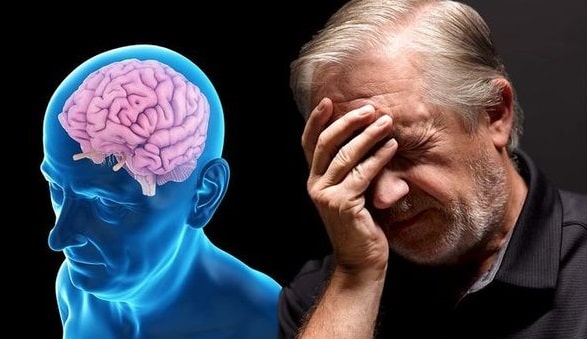
Dementia and Alzheimer's Disease: Symptoms, Causes, Diagnosis and Care
Dementia and Alzheimer's disease are neurological conditions that can affect memory, thinking, communication, behavior, and the ability to perform everyday activities. Although memory loss can occur with normal ageing, significant or progressive changes in cognitive function should be evaluated by a medical professional.
Dr. Pooja Tripathi, a neurosurgeon, provides comprehensive neurological evaluation and individualized care for patients experiencing memory problems, cognitive changes, and neurological disorders associated with ageing.
What Is Dementia?
Dementia is an umbrella term for a group of symptoms involving a decline in memory, reasoning, communication, and other thinking abilities that interferes with daily life. It is not a normal part of ageing and can result from different underlying conditions.
Alzheimer's disease is the most common cause of dementia. Other causes may include vascular disease, certain neurological disorders, brain injuries, infections, and other medical conditions.
What Is Alzheimer's Disease?
Alzheimer's disease is a progressive brain disorder that gradually affects memory and cognitive abilities. In the early stages, a person may have difficulty remembering recent conversations, appointments, or newly learned information. As the condition progresses, problems with communication, reasoning, orientation, and daily activities may become more noticeable.
Common Symptoms
Symptoms of dementia and Alzheimer's disease can vary, but may include:
Risk Factors
The risk of dementia can increase with age, although dementia is not an inevitable part of ageing. Other factors may include cardiovascular disease, high blood pressure, diabetes, smoking, physical inactivity, and a history of certain neurological or brain conditions.
Age
Risk increases with advancing age.
Cardiovascular Disease
High blood pressure, diabetes, and heart conditions.
Lifestyle Factors
Smoking, physical inactivity, and poor diet.
Neurological History
Previous brain injuries or neurological conditions.
Diagnosis of Dementia and Alzheimer's Disease
Diagnosis typically involves a detailed medical history, neurological examination, and assessment of memory and thinking abilities. The doctor may also ask family members about changes they have noticed in the patient's behavior or daily functioning.
Cognitive Assessment
Cognitive and memory assessments to evaluate thinking abilities and memory function.
Brain Imaging
MRI or CT brain imaging to identify structural changes and rule out other conditions.
Treatment and Management
There is currently no definitive cure for Alzheimer's disease, but appropriate management may help control symptoms and support quality of life. Depending on the diagnosis, treatment may include medications, cognitive and physical activities, management of associated medical conditions, and supportive care.
Lifestyle measures such as regular physical activity, adequate sleep, social engagement, a balanced diet, and control of cardiovascular risk factors may also support overall brain health.
Importance of Family and Caregiver Support
Dementia affects not only the individual but also family members and caregivers. Creating a safe and supportive environment, maintaining predictable routines, assisting with medication management, and providing emotional support can be important aspects of long-term care.
Regular medical follow-up can help monitor changes in symptoms and adjust the management plan as needed.
Why Choose Dr. Pooja Tripathi?
Dr. Pooja Tripathi takes a patient-centered approach to dementia and Alzheimer's disease, focusing on detailed neurological assessment, identifying potential causes, and developing an individualized care plan. Her approach aims to help patients and families better understand cognitive changes and make informed decisions about ongoing care.
If you or a loved one is experiencing persistent memory loss, confusion, personality changes, or difficulty managing everyday activities, early neurological evaluation can help identify the cause and guide appropriate care.
Concerned about memory loss or cognitive changes?
Book a consultation with Dr. Pooja Tripathi for expert neurological evaluation and care.