Comprehensive Care for Migraine & Headache Disorders
Headaches are among the most common neurological problems and can significantly affect a person's work, sleep, concentration, and quality of life. While occasional headaches may be temporary, migraine and other headache disorders can cause recurring and disabling symptoms that require proper evaluation and treatment.
Dr. Pooja Tripathi, a skilled neurosurgeon, provides comprehensive evaluation and management for patients experiencing persistent headaches, migraines, and other neurological concerns. Her patient-focused approach aims to identify possible triggers, understand the underlying cause, and develop an appropriate treatment plan.
What Is a Migraine?
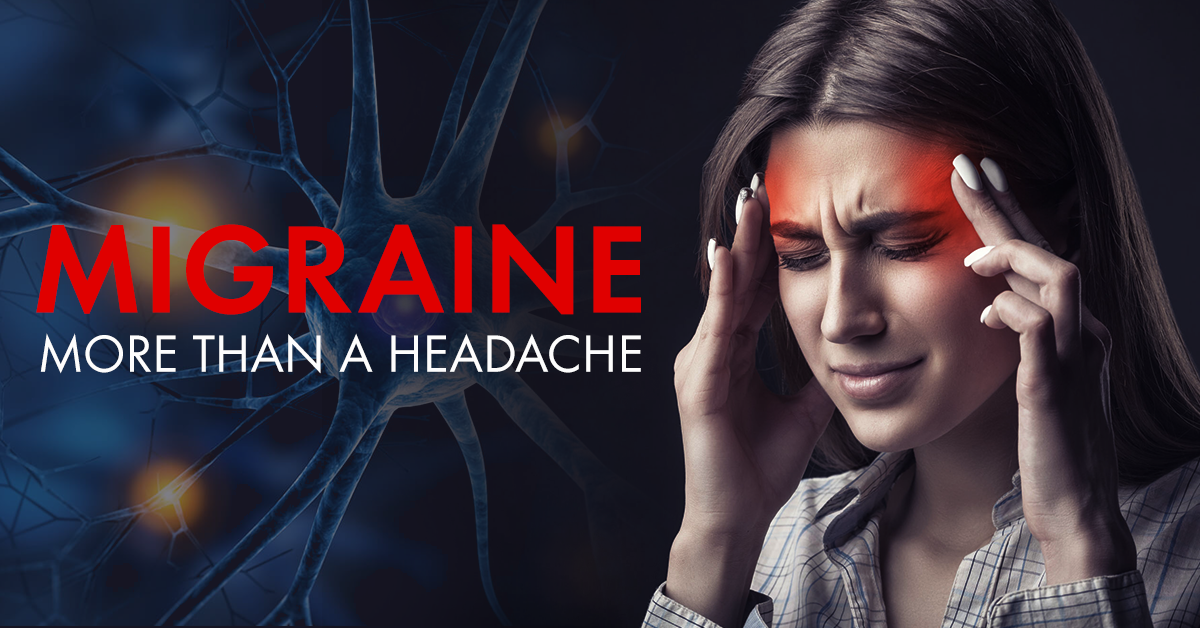
A migraine is a neurological condition that typically causes moderate to severe, often throbbing or pulsating pain. It may occur on one side of the head but can also affect both sides. Migraine attacks can last for several hours and, in some cases, may continue for days.
Common migraine symptoms include:
Some people experience an aura before or during a migraine. An aura may involve flashing lights, blind spots, tingling sensations, or temporary speech difficulties.
Common Types of Headache Disorders
Headache disorders can have different causes and patterns. Some commonly encountered types include:
Migraine
Often associated with throbbing pain, nausea, and sensitivity to light or sound.
Tension Headache
Usually causes mild to moderate pressure or tightness around the forehead, temples, or back of the head.
Cluster Headache
A rare but extremely painful headache that can occur repeatedly over a period of time, often around one eye.
Chronic Headache
Headaches occurring frequently over an extended period may require detailed neurological assessment.
What Causes Migraines and Headaches?
Headaches can be triggered by several factors, including stress, inadequate sleep, dehydration, skipped meals, excessive screen exposure, hormonal changes, certain foods, alcohol, and changes in routine. In some cases, headaches may be associated with an underlying neurological or other medical condition.
Identifying individual triggers can be an important part of migraine management.
When Should You See a Neurosurgeon?
Not every headache requires specialist care. However, medical evaluation is important when headaches are frequent, severe, worsening, interfering with daily activities, or associated with unusual neurological symptoms.
Diagnosis of Migraine and Headache Disorders
Clinical Assessment
Dr. Pooja Tripathi assesses the patient's medical history, headache pattern, symptoms, possible triggers, and neurological status.
Further Investigations
Depending on the findings, additional investigations such as MRI or CT scans may be recommended to rule out structural abnormalities or other underlying causes.
Treatment and Management
Treatment depends on the type, frequency, severity, and cause of the headache. Management may include lifestyle modifications, preventive medicines, medicines for acute attacks, and treatment of an identified underlying condition.
Patients may also benefit from maintaining regular sleep, staying adequately hydrated, eating balanced meals, managing stress, exercising regularly, and identifying personal headache triggers.
Why Choose Dr. Pooja Tripathi for Headache Care?
Dr. Pooja Tripathi focuses on understanding each patient's symptoms and providing an individualized approach to neurological care. Through careful evaluation and appropriate investigations, she helps patients understand their condition and explore suitable treatment options for migraine and headache disorders.
If recurring headaches or migraines are affecting your daily life, consulting a qualified specialist can help determine the cause and guide you toward appropriate management.
Struggling with recurring headaches?
Book a consultation with Dr. Pooja Tripathi to identify the cause and get a personalised treatment plan.