Backache and Spine Disease: Causes, Symptoms and Treatment
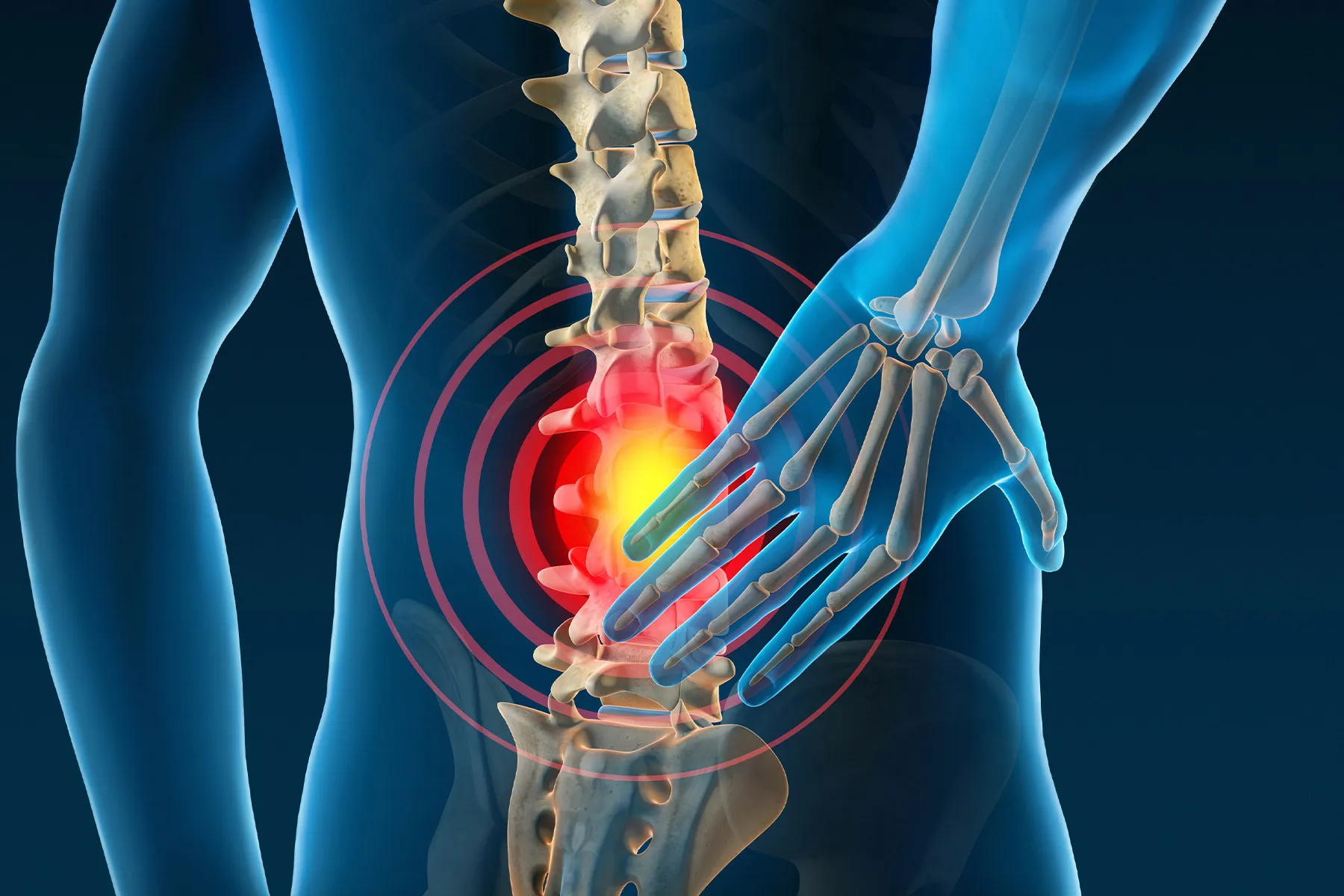
Back pain is one of the most common health concerns and can affect people of all ages. While occasional backache may result from muscle strain or poor posture, persistent or severe pain can sometimes indicate an underlying spine disease requiring specialist evaluation.
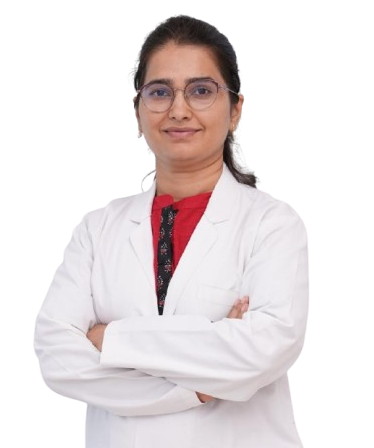
Dr. Pooja Tripathi, a neurosurgeon, provides comprehensive evaluation and personalized treatment for backache and various spinal conditions. Her approach focuses on identifying the underlying cause of pain and selecting appropriate treatment to improve mobility, comfort, and quality of life.
What Causes Backache?
Back pain can develop due to several factors, ranging from lifestyle habits to degenerative changes in the spine. Common causes include poor posture, prolonged sitting, muscle or ligament strain, sedentary lifestyle, heavy lifting, repetitive physical activity, spinal disc problems, age-related degeneration, previous injuries, nerve compression, and spinal deformities.
In some cases, back pain may be associated with conditions such as slipped or herniated discs, spinal stenosis, spondylosis, sciatica, or spinal fractures.
Common Symptoms of Spine Disorders
Spinal conditions can produce symptoms that vary depending on the affected area and severity. These may include:
When Should You See a Neurosurgeon?
Not every episode of back pain requires specialist treatment. However, consultation with a neurosurgeon is advisable when pain:
Persistent Pain
Pain that persists despite rest and basic treatment or keeps returning.
Radiating Pain
Pain that radiates into the arms or legs with numbness or weakness.
Sleep Disruption
Pain that interferes with sleep or daily activities.
After Trauma
Pain that develops after significant trauma or injury.
Diagnosis of Backache and Spine Disease
Dr. Pooja Tripathi begins with a detailed medical history and neurological examination. Depending on the symptoms, diagnostic tests may include X-rays, CT scans, MRI scans, or other investigations.
Treatment for Back Pain and Spine Conditions
Treatment depends on the underlying cause, severity of symptoms, and overall health of the patient.
Conservative Treatment
Many patients can improve without surgery through medications for pain and inflammation, physiotherapy, strengthening and flexibility exercises, posture correction, ergonomic modifications, weight management, and regular physical activity.
Surgical Treatment
Surgery may be considered when conservative treatment does not provide adequate relief or when there is significant nerve or spinal cord compression, progressive neurological weakness, spinal instability, or another condition requiring surgical intervention. The goal is to relieve pressure on affected nerves or the spinal cord, stabilize the spine when necessary, and improve function.
Preventing Back Pain
Maintaining good posture, staying physically active, strengthening the core muscles, maintaining a healthy weight, using proper lifting techniques, and avoiding prolonged periods of sitting can support long-term spinal health.
Why Choose Dr. Pooja Tripathi for Spine Care?
Dr. Pooja Tripathi offers individualized care for backache and spine diseases, with an emphasis on accurate diagnosis and appropriate treatment. By assessing each patient's symptoms and spinal condition, she helps determine whether conservative management, rehabilitation, or surgical treatment may be appropriate.
If chronic back pain, numbness, weakness, or radiating pain is affecting your daily life, consulting a qualified neurosurgeon can help identify the cause and guide you toward appropriate treatment.
Experiencing chronic back pain or spine issues?
Book a consultation with Dr. Pooja Tripathi for expert diagnosis and personalized treatment.