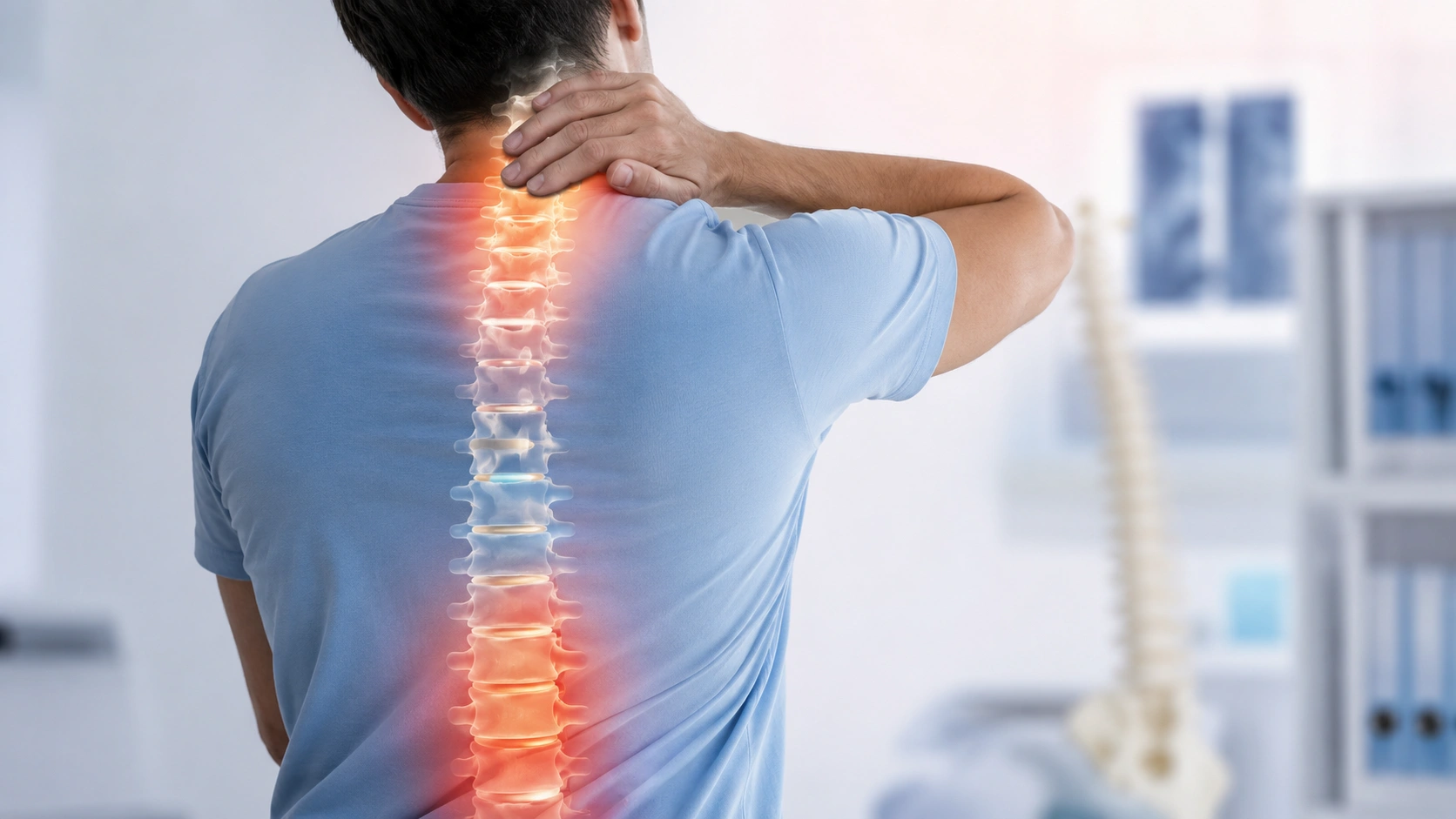
Cervical and Lumbar Spondylosis: Causes, Symptoms & Treatment
Cervical and Lumbar Spondylosis are common age-related degenerative conditions affecting the spine. Cervical spondylosis involves the neck, while lumbar spondylosis affects the lower back. These conditions can cause chronic pain, stiffness, numbness, and reduced mobility if left untreated.
Dr. Pooja Tripathi, an experienced neurosurgeon, offers comprehensive evaluation and personalized treatment for patients suffering from neck and back disorders, helping them regain comfort and improve their quality of life.
What Is Cervical Spondylosis?
Cervical spondylosis is the gradual wear and tear of the discs, joints, and bones in the neck. As the spine ages, the discs lose flexibility and bone spurs may develop, sometimes putting pressure on nearby nerves or the spinal cord.
Common symptoms include:
What Is Lumbar Spondylosis?
Lumbar spondylosis affects the lower back and is a leading cause of chronic back pain. Degenerative changes in the lumbar spine may narrow the spaces around nerves, leading to pain that travels into the legs.
Common symptoms include:
Lower Back Pain
Pain and stiffness in the lower back region.
Sciatica
Pain radiating to the buttocks or legs.
Numbness
Tingling or numbness in the feet.
Reduced Mobility
Difficulty standing or walking for long periods.
Causes and Risk Factors
Several factors increase the risk of developing spondylosis:
When Should You See a Neurosurgeon?
Consult Dr. Pooja Tripathi if you experience:
Persistent Pain
Neck or back pain lasting more than a few weeks.
Radiating Symptoms
Pain spreading into the arms or legs with numbness, tingling, or muscle weakness.
Diagnosis
A detailed neurological examination helps determine the source of symptoms. Depending on your condition, investigations may include MRI of the cervical or lumbar spine, CT scan, X-rays, and nerve conduction studies when required.
Accurate diagnosis helps identify nerve compression, disc degeneration, and spinal instability.
Treatment Options
Most patients improve with non-surgical treatment, while surgery is considered only when significant nerve compression or neurological deficits are present.
Non-surgical Treatment
Pain relief medications, physiotherapy, posture correction, strengthening exercises, lifestyle modifications, weight management, and ergonomic guidance.
Surgical Treatment
When conservative treatment fails or nerve compression becomes severe, minimally invasive or advanced spinal procedures may be recommended to relieve pressure on the spinal cord or nerves.
Why Choose Dr. Pooja Tripathi?
Dr. Pooja Tripathi provides evidence-based care for cervical and lumbar spondylosis, combining accurate diagnosis with individualized treatment plans. Her focus is on relieving pain, preserving neurological function, and helping patients return to their daily activities safely.
If persistent neck or lower back pain is affecting your everyday life, early consultation can help prevent progression and improve long-term spinal health.
Experiencing persistent neck or back pain?
Book a consultation with Dr. Pooja Tripathi for expert evaluation and personalized treatment.