Dr. Pooja Tripathi
What Is the Golden Hour in Stroke Treatment?
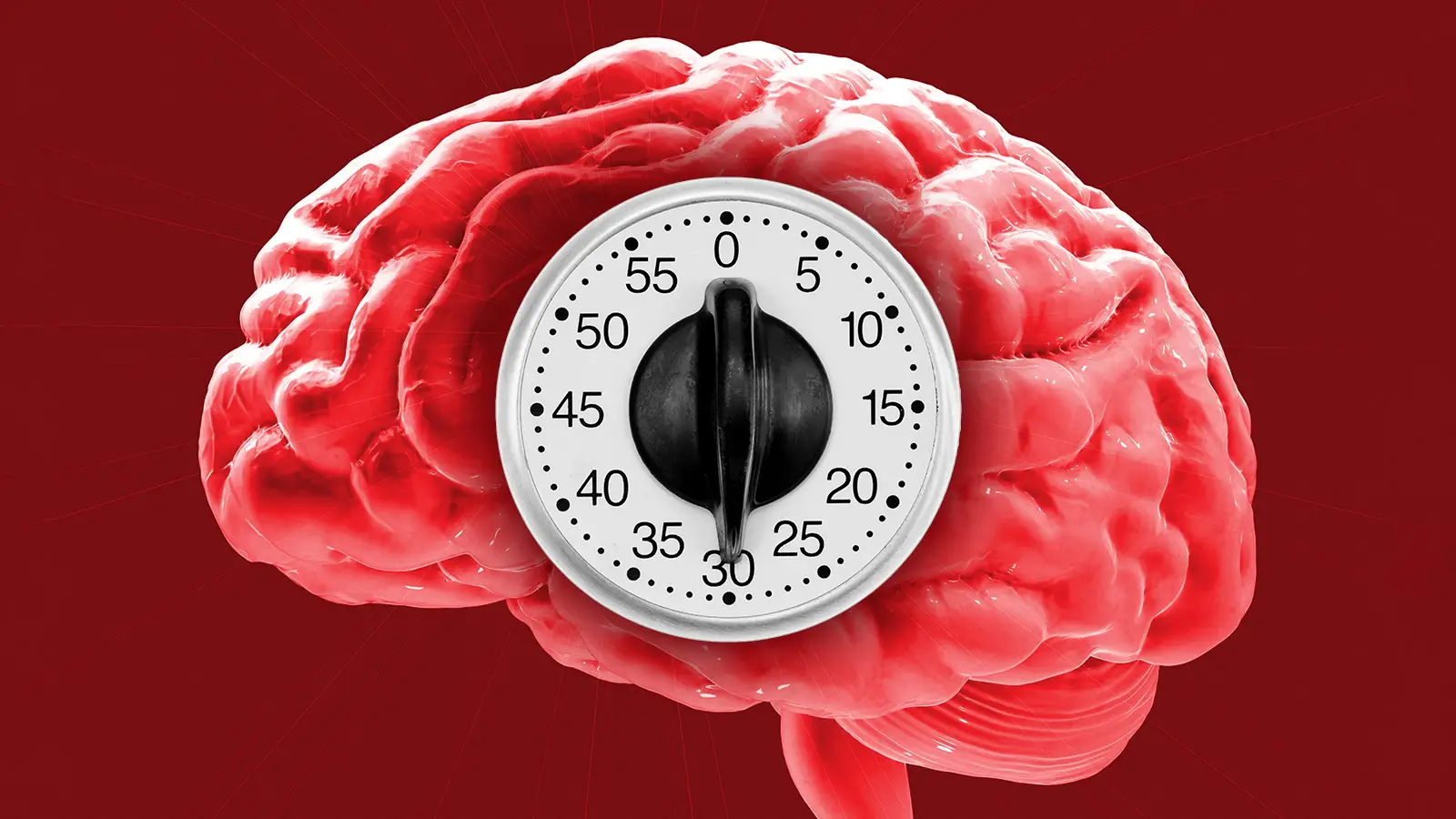
A stroke is a medical emergency in which every second can make a difference. When blood flow to part of the brain is blocked or a blood vessel ruptures, brain cells can become damaged rapidly. This is why doctors often emphasize the “golden hour” in stroke treatment—the critical early period when rapid medical evaluation and treatment can significantly influence recovery.
For patients experiencing stroke symptoms, reaching an appropriate emergency or stroke-care facility as quickly as possible is essential. Dr. Pooja Tripathi, Consultant – Neurology at Max Super Speciality Hospital, Lucknow, emphasizes the importance of recognizing stroke symptoms early and seeking immediate medical attention.
What Is the Golden Hour in Stroke?
The term golden hour refers to the crucial early period following the onset of stroke symptoms when prompt diagnosis and treatment can help reduce brain injury and disability.
Although the commonly used term “golden hour” does not mean treatment is limited to exactly 60 minutes, stroke treatment is highly time-dependent. For eligible patients with acute ischemic stroke, current guidelines recommend intravenous thrombolysis within 4.5 hours of symptom onset, with selected patients potentially qualifying for treatment beyond this window based on advanced imaging.
The key message is simple: the earlier treatment begins, the better the
opportunity to preserve brain
function.
Why Does Every Minute Matter in Stroke?
A stroke can deprive brain tissue of oxygen and nutrients. As time passes, more brain cells may become permanently damaged. Delays in reaching the hospital, getting brain imaging, or starting appropriate treatment can therefore affect long-term recovery.
Modern stroke systems focus on reducing delays from the moment emergency services are contacted through diagnosis and treatment. The American Heart Association/American Stroke Association recommends rapid assessment and treatment, with hospitals aiming for very short door-to-treatment times for eligible patients.
Recognize the Warning Signs of Stroke
Knowing the symptoms can help families act quickly. Remember BE FAST:
B – Balance: Sudden loss of balance or coordination
E – Eyes: Sudden vision problems
F – Face: One side of the face may droop
A – Arm: Sudden weakness or numbness in one arm
S – Speech: Slurred speech or difficulty speaking or
understanding
T – Time: Call emergency medical services immediately
Other symptoms may include sudden severe headache, dizziness, confusion, difficulty walking, or weakness or numbness on one side of the body.
Do not wait for symptoms to improve on their own.
What Happens at the Hospital During the Golden Hour?
When a suspected stroke patient reaches the hospital, the medical team may rapidly perform neurological assessment, check blood glucose and conduct brain imaging such as CT or MRI when appropriate.
Brain imaging is especially important because doctors need to determine whether the stroke is caused by a blood clot (ischemic stroke) or bleeding (hemorrhagic stroke) before deciding on treatment. The 2026 AHA/ASA guideline highlights rapid diagnosis and imaging as essential components of acute stroke care.
Rapid Assessment
Neurological examination and blood glucose testing may be performed quickly.
Brain Imaging
CT or MRI can help identify the type of stroke and guide treatment.
Ischemic Stroke
A blood clot blocks blood flow to a part of the brain.
Hemorrhagic Stroke
A blood vessel ruptures or leaks blood into the brain.
For eligible patients with ischemic stroke, clot-busting treatment with alteplase or tenecteplase may be considered within the appropriate treatment window.
Some patients with a major blood-vessel blockage may also benefit from endovascular thrombectomy, a procedure that physically removes the clot from the blocked artery. Depending on the patient's clinical and imaging findings, thrombectomy may be appropriate in selected patients much later than the traditional early treatment window, in some cases up to 24 hours.
Why Choose Early Stroke Evaluation With Dr. Pooja Tripathi?
Dr. Pooja Tripathi is a Consultant – Neurology at Max Super Speciality Hospital, Lucknow, providing neurological care and evaluation.
For suspected stroke, however, the priority is not to wait for a routine appointment.
Immediate emergency medical evaluation is essential. Early recognition,
rapid transportation,
appropriate brain imaging and timely treatment can all contribute to better outcomes.
What Should You Do If Someone Shows Stroke Symptoms?
If you notice sudden facial weakness, arm weakness, speech difficulty, vision problems, loss of balance or other sudden neurological symptoms:
1
Treat It as an Emergency
Treat sudden stroke symptoms as an emergency.
2
Note the Time
Note the exact time the person was last known to be well.
3
Call Emergency Medical Services
Call emergency medical services immediately.
4
Do Not Wait
Do not wait for symptoms to disappear.
5
Use Emergency Transport
Do not drive the patient yourself if emergency transport is available.
6
Share Important Information
Inform the medical team about medications, medical history and the time symptoms began.
Conclusion
The golden hour in stroke treatment represents the urgent opportunity to diagnose stroke and begin appropriate treatment as quickly as possible. While some modern stroke treatments can benefit selected patients beyond the traditional early window, earlier treatment remains critical.
If you or someone around you develops sudden symptoms suggestive of stroke, remember: time is brain. Seeking emergency medical care immediately can help give the patient the best possible chance of minimizing brain injury and improving recovery.
For neurological evaluation and stroke-related care, consult Dr. Pooja Tripathi
at Max Super
Speciality Hospital, Lucknow.

Senior Consultant
Dr. Pooja Tripathi
Consultant – Neurology
Max Super Speciality Hospital, Lucknow
Book an Appointment
+91 8199030924