Epilepsy and Seizure Disorder: Symptoms, Causes, Diagnosis and Treatment
Epilepsy and seizure disorders are neurological conditions that can affect people of any age. A seizure occurs when there is a sudden, abnormal burst of electrical activity in the brain. While a single seizure does not always mean a person has epilepsy, recurrent unprovoked seizures may indicate epilepsy and require specialist evaluation.
Dr. Pooja Tripathi, a neurosurgeon, provides comprehensive neurological assessment and personalized care for patients experiencing seizures and epilepsy. Early diagnosis and appropriate treatment can help control seizures, reduce complications, and improve quality of life.
What Is Epilepsy?
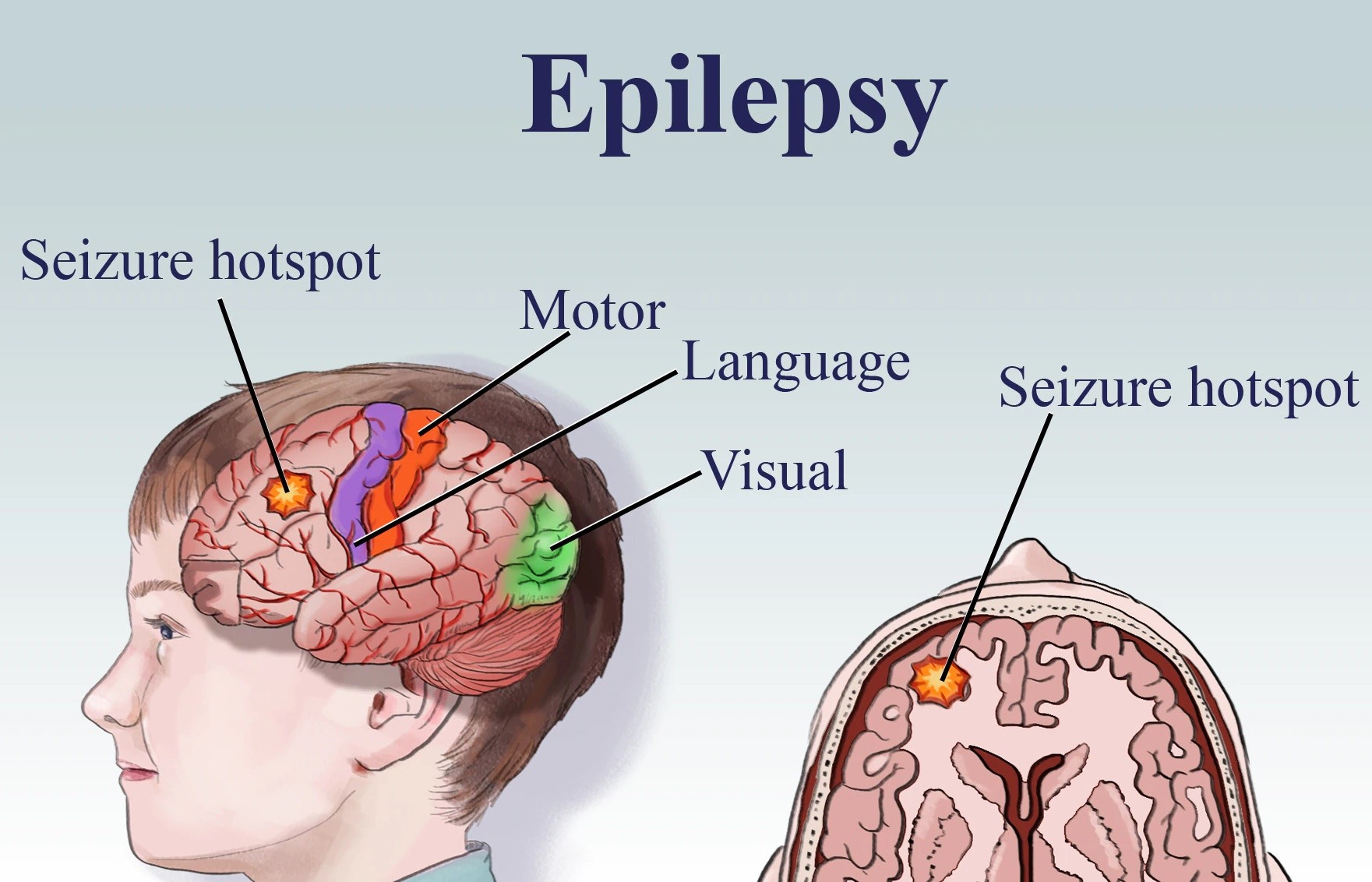
Epilepsy is a neurological disorder characterized by a tendency to have recurrent, unprovoked seizures. Seizures can affect different areas of the brain and may cause changes in movement, awareness, sensation, behavior, or consciousness.
The symptoms of a seizure can vary significantly from one person to another. Some seizures may involve obvious shaking or loss of consciousness, while others may cause brief periods of staring, confusion, unusual sensations, or repetitive movements.
Common Symptoms of Seizures
Depending on the type of seizure, symptoms may include:
Causes of Epilepsy and Seizure Disorders
Epilepsy can have many possible causes. These may include:
Genetic Factors
Inherited or genetic predisposition to seizures.
Brain Injury
Previous head trauma or brain injury.
Stroke
Stroke or vascular conditions affecting the brain.
Infections
Brain infections or structural abnormalities.
How Is Epilepsy Diagnosed?
Accurate diagnosis begins with a detailed medical and neurological history. Information from the patient and witnesses who observed the seizure can be particularly valuable.
EEG Testing
Electroencephalogram (EEG) to assess electrical activity in the brain and identify seizure patterns.
Brain Imaging
MRI or CT scan to identify structural abnormalities, tumors, or other brain conditions.
Treatment for Epilepsy
Treatment depends on the type of seizure, underlying cause, frequency of episodes, age, and overall health of the patient.
Medication
Anti-seizure medicines are commonly used to control epilepsy. The choice of medication is individualized, and regular follow-up is important to monitor seizure control and potential side effects.
Surgery
Some patients with epilepsy continue to experience seizures despite appropriate medication. In selected cases, epilepsy surgery may be considered after detailed evaluation to identify the brain region responsible for seizures.
Living With Epilepsy
People with epilepsy can often lead active and fulfilling lives with appropriate treatment and seizure control. Taking prescribed medication consistently, maintaining regular sleep, avoiding known seizure triggers, and attending follow-up appointments can support long-term management.
Patients should also discuss safety precautions related to activities such as driving, swimming, working at heights, and operating machinery with their healthcare professional.
Why Choose Dr. Pooja Tripathi?
Dr. Pooja Tripathi focuses on a comprehensive and individualized approach to epilepsy and seizure disorder management. Through detailed evaluation and appropriate investigations, she helps patients understand their condition and explore suitable medical or surgical treatment options.
If you or someone you know experiences unexplained or recurrent seizures, timely neurological evaluation can help determine the cause and guide appropriate treatment.
Experiencing unexplained or recurrent seizures?
Book a consultation with Dr. Pooja Tripathi for expert neurological evaluation and care.