Multiple Sclerosis and Neuroimmunological Disorders: Symptoms, Causes and Treatment
Multiple Sclerosis (MS) and other neuroimmunological disorders affect the brain, spinal cord, nerves, or the body's immune response to the nervous system. These conditions can cause a wide range of symptoms, including weakness, numbness, vision problems, balance difficulties, and problems with coordination.
Dr. Pooja Tripathi, a neurosurgeon, provides comprehensive neurological evaluation and individualized care for patients experiencing symptoms associated with multiple sclerosis and other complex neurological conditions. Early assessment and appropriate long-term management can help patients maintain function and quality of life.
What Is Multiple Sclerosis?
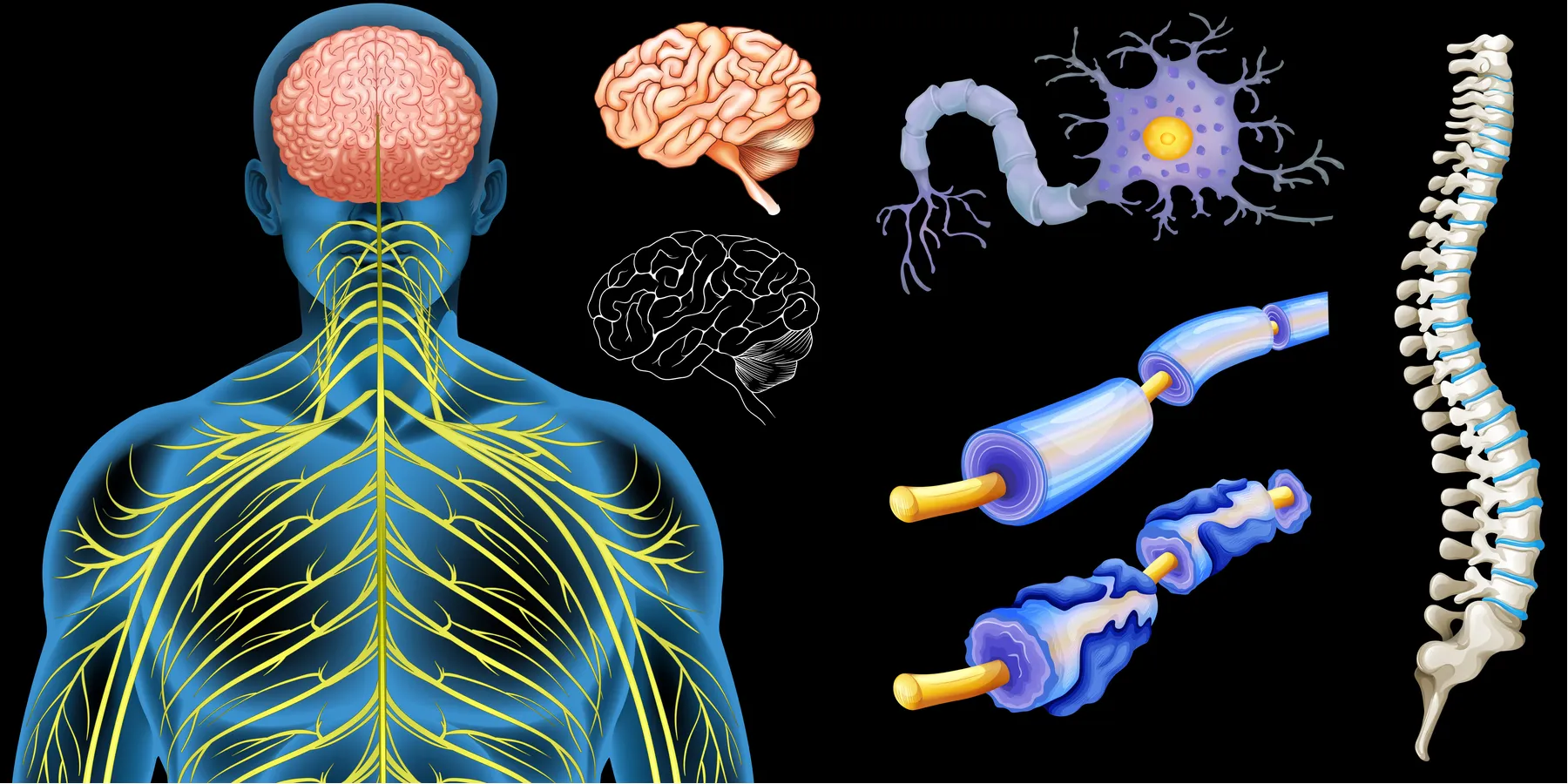
Multiple sclerosis is a chronic neurological condition in which the immune system mistakenly attacks the protective covering of nerve fibres, called myelin, within the central nervous system. This can interfere with the normal transmission of signals between the brain and the rest of the body.
MS can affect different parts of the nervous system, so symptoms vary considerably from one patient to another. Some people experience episodes of symptoms followed by periods of improvement, while others may have gradually progressive symptoms.
Common Symptoms of Multiple Sclerosis
MS symptoms depend on which areas of the brain or spinal cord are affected. Common symptoms include:
What Are Neuroimmunological Disorders?
Neuroimmunological disorders occur when abnormal immune-system activity affects the nervous system. Multiple sclerosis is one of the best-known examples, but other conditions may affect the brain, spinal cord, peripheral nerves, or muscles.
Brain Disorders
Conditions affecting brain function and cognition.
Spinal Cord Disorders
Conditions impacting spinal cord and nerve signals.
Peripheral Nerve Disorders
Conditions affecting peripheral nervous system.
Muscle Disorders
Conditions impacting muscle function and strength.
Causes and Risk Factors
The exact cause of multiple sclerosis is not fully understood. It is believed to involve a combination of genetic susceptibility and environmental factors that influence immune-system activity.
Other neuroimmunological disorders have different causes and mechanisms. Accurate diagnosis is therefore essential for selecting appropriate treatment.
Diagnosis
Diagnosing MS and other neuroimmunological disorders usually requires a detailed medical and neurological assessment. Depending on the symptoms, investigations may include:
MRI Imaging
MRI of the brain and spinal cord to identify characteristic areas of inflammation or damage associated with MS.
Specialized Tests
Blood tests, cerebrospinal fluid analysis in selected cases, evoked potential testing, and other specialized neurological or immunological investigations.
Treatment and Management
There is currently no definitive cure for multiple sclerosis, but treatment can help manage symptoms, reduce disease activity in appropriate patients, and support long-term function.
Disease-Modifying Therapies
Certain medicines can reduce the frequency of relapses and help slow disease progression in appropriate forms of MS. The choice of treatment depends on the individual's disease pattern and overall health.
Treatment for Symptoms
Medications and supportive therapies may help manage symptoms such as muscle stiffness, pain, fatigue, bladder problems, or other complications.
Living With Multiple Sclerosis
Long-term management of MS involves regular medical follow-up and monitoring of symptoms. Maintaining physical activity within individual limits, getting adequate sleep, eating a balanced diet, managing stress, and following prescribed treatment can support overall health.
Because MS affects each person differently, treatment plans should be individualized and reviewed regularly.
When Should You Seek Neurological Evaluation?
Unexplained or recurring neurological symptoms such as vision changes, persistent numbness, muscle weakness, balance problems, or coordination difficulties should be medically evaluated. Early diagnosis can help identify the cause and allow appropriate management to begin.
Why Choose Dr. Pooja Tripathi?
Dr. Pooja Tripathi provides a patient-focused approach to multiple sclerosis and neuroimmunological disorders, emphasizing detailed neurological assessment, appropriate investigations, and individualized treatment planning. Her goal is to help patients understand their condition and receive comprehensive care aimed at preserving neurological function and quality of life.
If you are experiencing persistent or unexplained neurological symptoms, consult a qualified specialist for timely evaluation and appropriate guidance.
Experiencing unexplained neurological symptoms?
Book a consultation with Dr. Pooja Tripathi for expert evaluation and comprehensive care.