Parkinson's Disease and Movement Disorders: Symptoms, Causes and Treatment
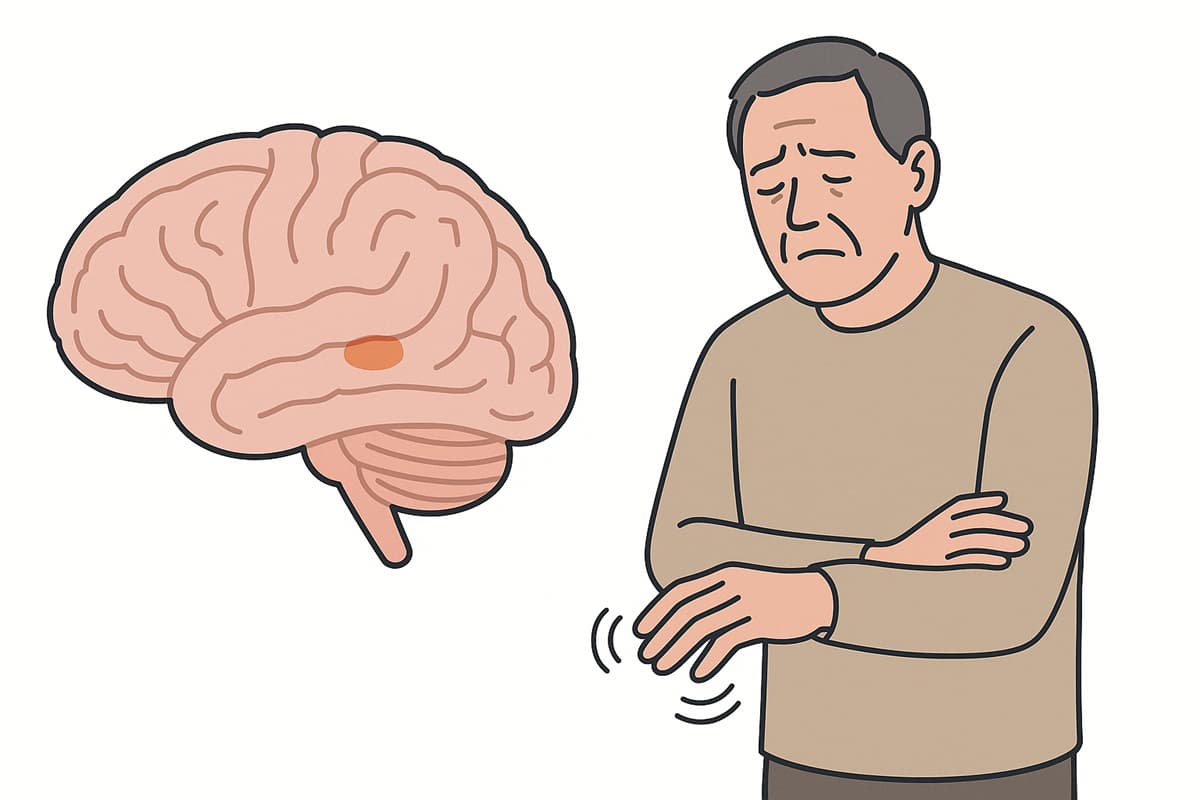
Parkinson's disease and movement disorders are neurological conditions that can affect movement, coordination, balance, and everyday activities. Parkinson's disease is a progressive disorder that primarily affects the brain systems involved in controlling movement. Other movement disorders may cause tremors, abnormal involuntary movements, stiffness, or difficulties with coordination.
Dr. Pooja Tripathi, a neurosurgeon, provides comprehensive evaluation and personalized care for patients experiencing Parkinson's disease and movement-related neurological problems. Early assessment can help identify the condition and guide appropriate management.
What Is Parkinson's Disease?
Parkinson's disease develops when certain nerve cells in the brain that produce dopamine become damaged or lost. Dopamine plays an important role in coordinating smooth and controlled movements.
The condition usually develops gradually, and symptoms can vary from person to person. Although Parkinson's disease currently has no definitive cure, appropriate treatment and rehabilitation can help manage symptoms and maintain independence.
Common Symptoms of Parkinson's Disease
Movement-related symptoms may include:
What Are Movement Disorders?
Movement disorders are a group of neurological conditions that affect the speed, control, or smoothness of voluntary and involuntary movements. Depending on the condition, patients may experience:
Tremors
Involuntary shaking or rhythmic movements.
Muscle Stiffness
Rigidity and reduced flexibility in muscles.
Involuntary Movements
Uncontrolled or abnormal muscle contractions.
Balance Issues
Difficulty walking or maintaining balance.
Diagnosis
Diagnosing Parkinson's disease and other movement disorders usually involves a detailed medical history and neurological examination. The doctor evaluates movement patterns, muscle tone, coordination, reflexes, balance, and other neurological functions.
Neurological Examination
Comprehensive assessment of movement patterns, muscle tone, coordination, reflexes, and balance.
Advanced Imaging
In selected cases, MRI, CT scans, blood tests, or specialized neurological investigations may be recommended to rule out other conditions.
Treatment and Management
Treatment depends on the specific movement disorder, severity of symptoms, and overall health of the patient.
Medicines
Medications may help improve movement symptoms, reduce tremors, or manage other symptoms associated with Parkinson's disease and related conditions.
Physiotherapy and Rehabilitation
Physical therapy, occupational therapy, speech therapy, and exercise can play an important role in maintaining mobility, balance, strength, communication, and independence.
Living With Parkinson's Disease
Regular physical activity, appropriate rehabilitation, adequate sleep, a balanced diet, medication adherence, and regular medical follow-up can support long-term symptom management.
Because Parkinson's disease progresses differently in every individual, treatment plans should be reviewed and adjusted as symptoms change.
Why Choose Dr. Pooja Tripathi?
Dr. Pooja Tripathi takes an individualized approach to Parkinson's disease and movement disorders, focusing on careful neurological assessment, accurate diagnosis, and appropriate treatment planning. Her goal is to help patients manage symptoms, preserve functional abilities, and improve their quality of life.
If you or a loved one is experiencing persistent tremors, stiffness, slowed movement, balance problems, or other unexplained movement changes, timely neurological evaluation can help identify the underlying condition and guide appropriate care.
Experiencing tremors, stiffness, or movement changes?
Book a consultation with Dr. Pooja Tripathi for expert neurological evaluation and care.